
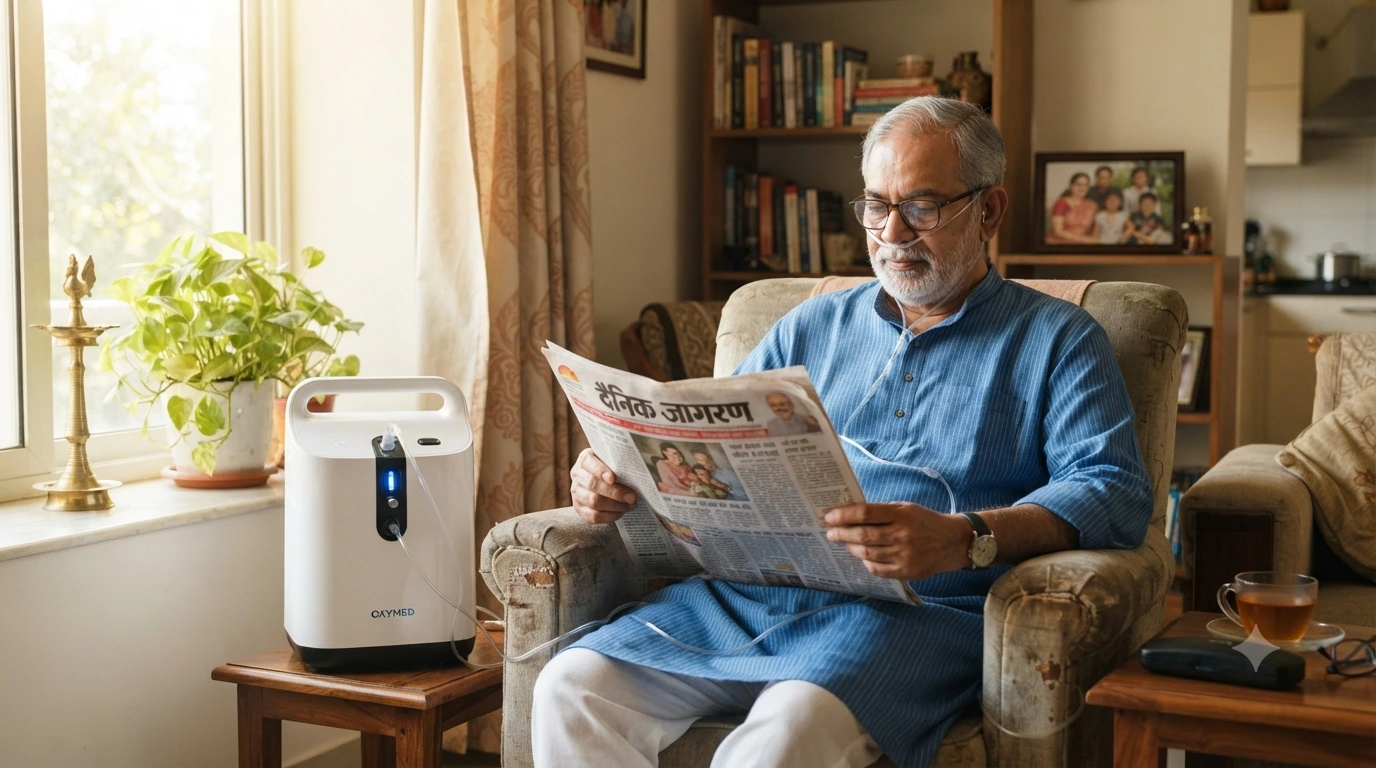
For patients managing chronic respiratory conditions like COPD, maintaining stable blood oxygen levels is the cornerstone of long-term wellness. When supplemental oxygen is required for extended periods, medical professionals prescribe Long-Term Oxygen Therapy (LTOT) at home.
As we navigate the healthcare landscape of 2026, home oxygen technology in India has transitioned from cumbersome, stationary tanks to "smart," ultra-efficient devices. Since 2002, Bajaj Life Care has remained a pioneer in this field, providing ISO-certified medical gas solutions that bridge the gap between hospital-grade care and home comfort.
What is Long-Term Oxygen Therapy (LTOT)?
LTOT is a controlled treatment that delivers a higher concentration of oxygen than what is available in standard room air. It is specifically designed for patients whose lungs can no longer oxygenate the blood effectively on their own.
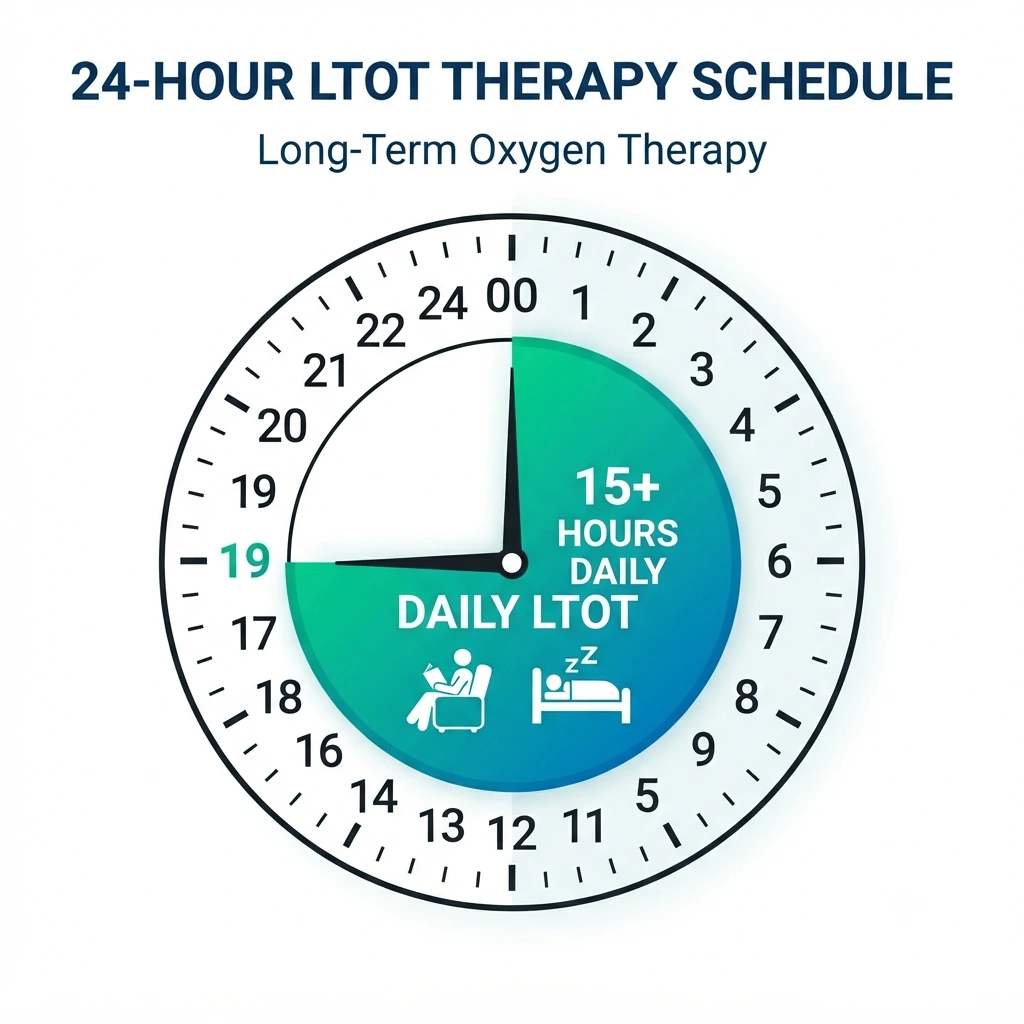
The 15-Hour Rule: How Long is LTOT Needed?
Clinical research indicates that for LTOT to be life-sustaining, it should be used for at least 15 hours per day, including during sleep. Modern 2026 devices are engineered for this 24/7 durability, ensuring that oxygen therapy for the elderly is both seamless and silent.
Essential Home Oxygen Equipment Checklist
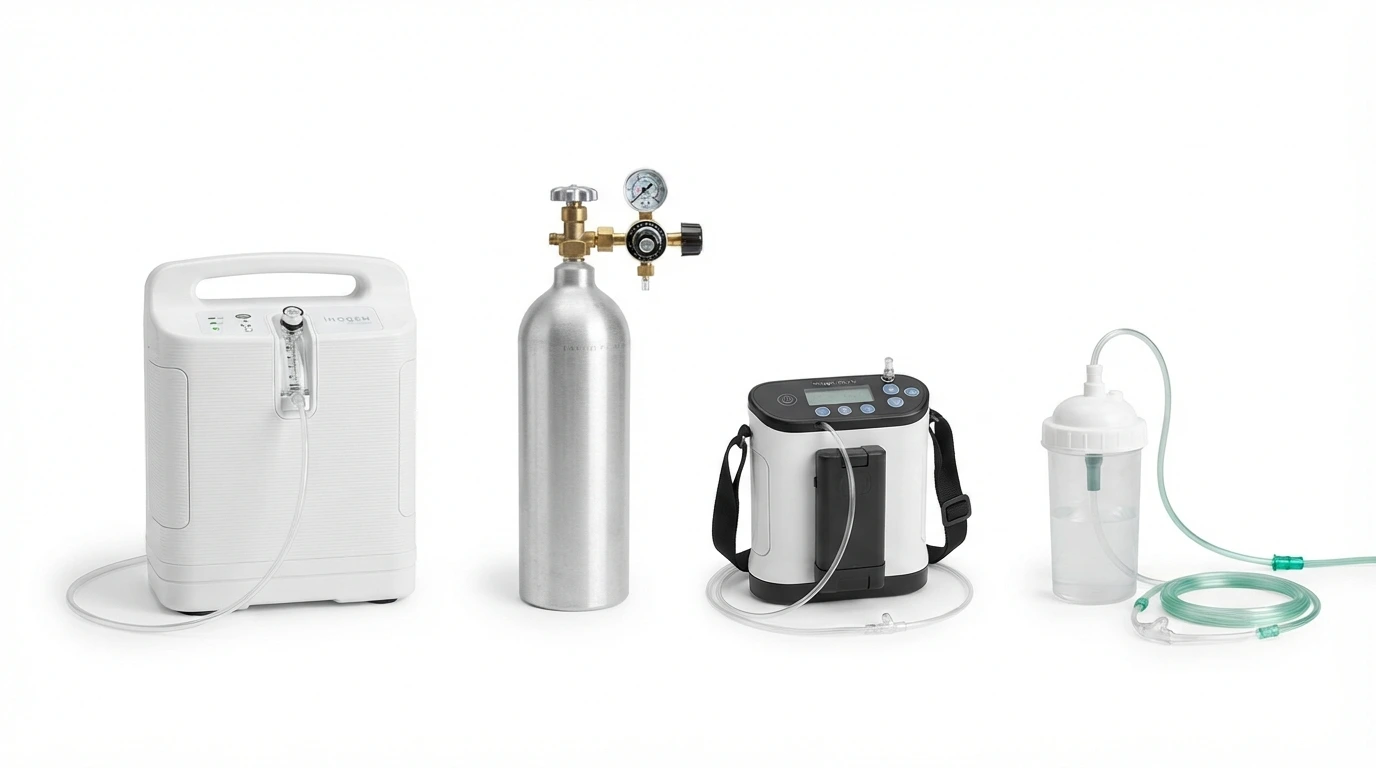
Selecting the right equipment impacts both patient mobility and compliance. Through our retail wing, MyGetWellStore, we offer a vetted selection of high-performance tools:
- Stationary Oxygen Concentrators: The primary choice for home use, these devices extract oxygen from ambient air. Explore our Oxygen Concentrator Collection.
- Oxygen Cylinder Kits:* Essential as a fail-safe backup during power outages. We specialize in *lightweight aluminium oxygen cylinders for easier handling.
- Portable Oxygen Concentrators (POCs): Designed for the active patient, these allow for travel and outdoor movement without interrupting therapy.
- Precision Accessories: Safe delivery requires high-quality Medical Gas Accessories, including FA valves, humidifier bottles, and precision flow meters.
Comparison: Oxygen Concentrator vs. Oxygen Cylinder
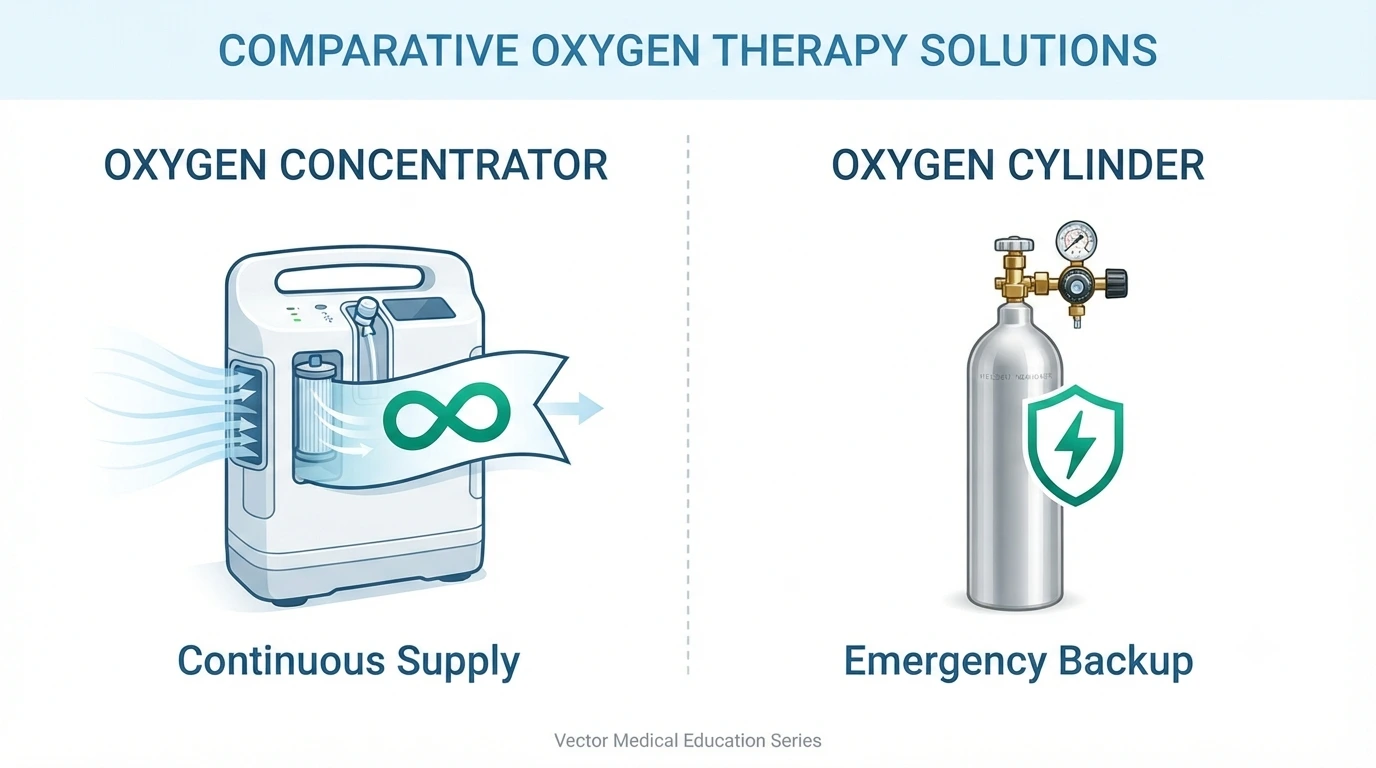
Choosing between a concentrator and a cylinder depends on the patient's specific flow rate and lifestyle needs.
| Feature | Oxygen Concentrator | Oxygen Cylinder |
|---|---|---|
| Oxygen Source | Unlimited (Filters room air) | Limited (Needs regular refilling) |
| Portability | High (Portable models available) | Moderate (Aluminum is lighter) |
| Maintenance | Requires electricity/filter cleaning | Requires refilling logistics |
| Best Use Case | Continuous 24/7 LTOT | Emergency backup / Short-term use |
2026 Technology Advances: The Future of LTOT
Home oxygen therapy in 2026 is defined by "Anywhere, Anytime, Affordable" care. Recent advancements include:
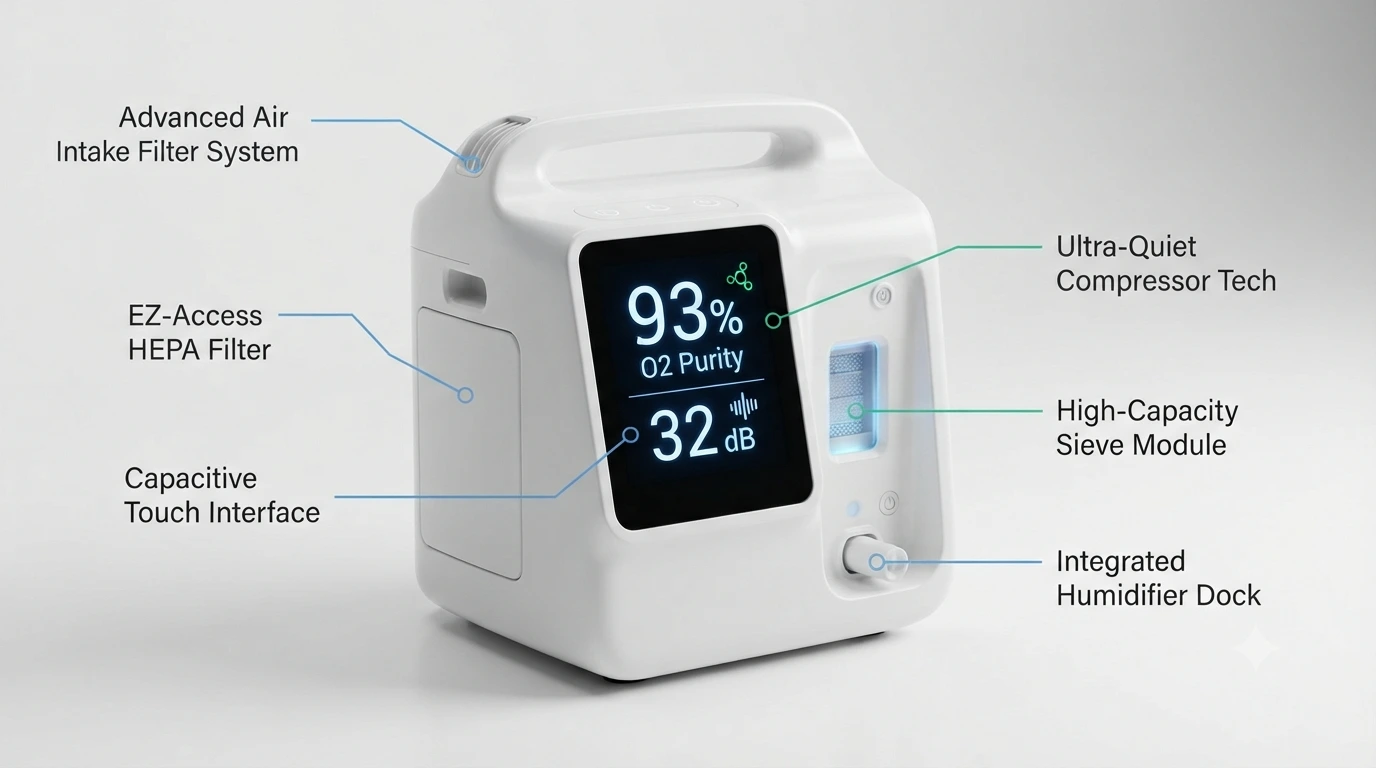
- Whisper-Quiet Technology: New stationary units now operate at sub-35 decibels, significantly improving sleep quality for patients.
- Built-in Purity Sensors: Modern concentrators feature digital alarms that trigger if oxygen purity falls below 82%, a critical safety standard for home care.
- Smart Pipeline Integration: For larger residences or small clinics, Medical Gas Pipeline Systems allow oxygen access from multiple rooms via a single source.
Is Home Oxygen Therapy Safe?
Yes, LTOT is highly safe when managed with the right equipment and precautions: * Fire Safety:* Oxygen is an accelerant; never smoke or use open flames near your equipment. * *Certified Sourcing:* Only use ISO-certified devices. At *Bajaj Life Care*, we subject every unit to rigorous quality checks before it reaches your home. * *Accurate Flow Rates:* Always use the flow rate prescribed by your pulmonologist. A high-quality *medical gas regulator is essential to maintain this accuracy.
Why India Trusts Bajaj Life Care
Under the leadership of CEO Mr. Sunil Bajaj, our mission has remained consistent for over two decades: making life-saving equipment accessible.
- Expertise Since 2002: Decades of experience in medical gas engineering and distribution.
- Bulk & Individual Solutions: We provide competitive rates for both individual families and large-scale nursing homes.
- Pan-India Support: Reliable logistics ensuring that critical oxygen supplies reach every corner of the country.
Frequently Asked Questions (FAQ)
1. Which oxygen concentrator is best for home use in India?
The "best" unit is determined by your prescribed Liters Per Minute (LPM). For most LTOT patients, a 5LPM or 10LPM branded unit with high purity sensors is recommended.
2. Can COPD patients rely solely on concentrators?
While concentrators are the gold standard for continuous use, we always recommend having a backup Oxygen Cylinder Kit in case of power failures or mechanical issues.
3. Does insurance cover the cost of LTOT?
In 2026, most comprehensive health insurance providers in India cover "Durable Medical Equipment" (DME) like oxygen concentrators when prescribed for chronic conditions.
Secure Your Health with Bajaj Life Care
Don’t settle for sub-standard equipment when it comes to respiratory health. Whether you need a bulk quote for a clinic or a single unit for a loved one, our experts are here to help.
- Contact Number: +91 9422101380 (Converted to Asia/Calcutta time zone support)
- Email: sales@bajajlifecare.com
- Official Website: www.bajajlifecare.com
Disclaimer: This guide is for informational purposes only. Always consult your healthcare provider for specific medical advice and flow rate prescriptions.